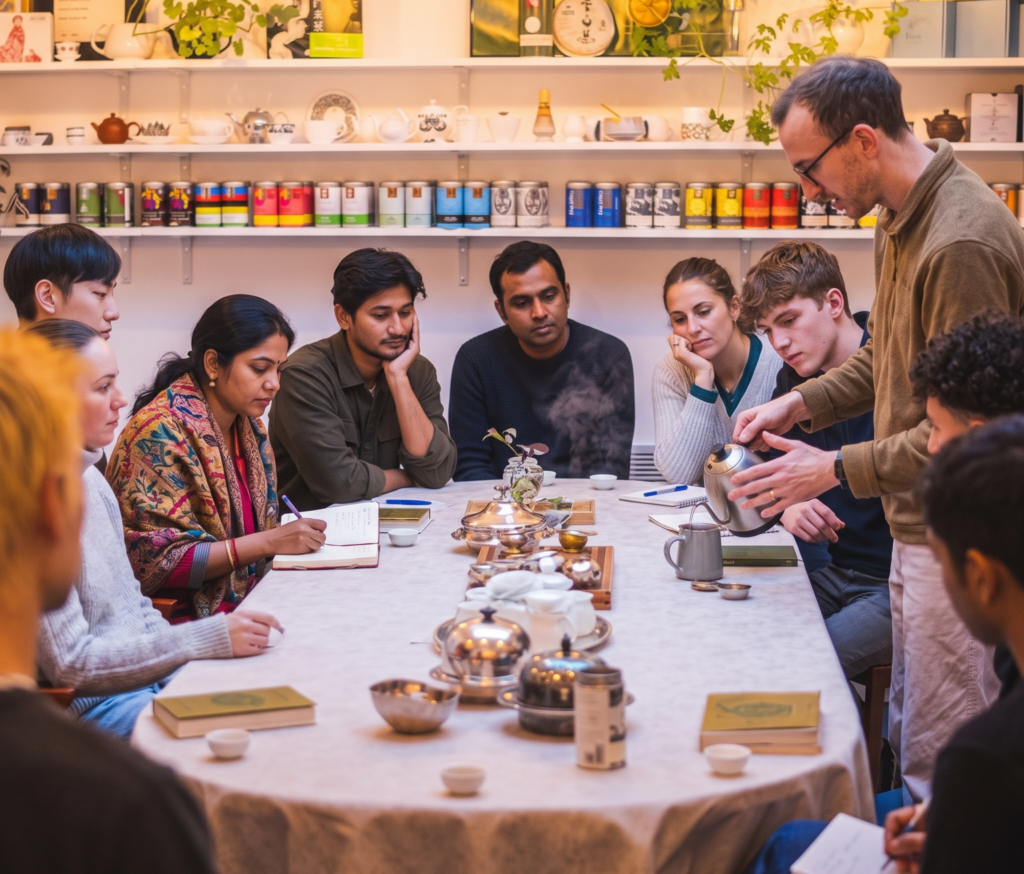
Traditionally, the word sommelier is associated with wine and fine dining. However, tea offers a similarly rich field of expertise, combining sensory appreciation, culinary knowledge, hospitality, product innovation and storytelling.
For students, hospitality professionals, beverage enthusiasts and aspiring entrepreneurs, becoming a Tea Sommelier can open doors to a diverse range of career opportunities that extend far beyond serving tea.
At Witty Blends, we believe that tea deserves to be explored not merely as a daily beverage, but as a craft, a culture, an experience and a professional discipline.
What is a Tea Sommelier?
A Tea Sommelier is a trained tea professional who understands tea from its origin and processing to its preparation, tasting, presentation and pairing. The role involves helping people discover the character of different teas and recommending selections based on flavour preferences, occasions, food pairings and service requirements.
A Tea Sommelier may work with delicate Darjeeling first flush teas, robust Assam black teas, Japanese green teas, oolongs, white teas, pu-erh and other specialty varieties. They may also explore herbal infusions, botanicals and innovative tea blends.
According to the Tea and Herbal Association of Canada, its Tea Sommelier certification covers areas such as tea regions, sensory development, tea types, preparation, menu design, food pairing, culinary applications and the business of tea.
In practice, a Tea Sommelier combines the knowledge of a tea specialist with the communication skills of an educator and the creativity of a beverage professional.
The objective is simple: to transform an ordinary cup of tea into a meaningful and memorable experience.
Why is Tea Sommelier emerging as an interesting career?
India has a deep cultural relationship with tea, along with a significant tea-growing heritage. Yet, familiarity with everyday chai does not automatically translate into knowledge of specialty tea, sensory evaluation, tea origins, professional brewing, food pairing or premium tea service.
This creates an interesting opportunity for professionals who can bridge the gap between tea production and consumer appreciation.
Several developments make this career worth exploring:
Specialty beverage experiences: Consumers can explore teas through guided tastings, curated menus, workshops and tea-led events.
Premium hospitality: Hotels, restaurants, resorts and cafés can use specialist tea knowledge to strengthen their beverage offerings and guest experiences.
Product innovation: Tea brands need creative approaches to blends, flavour profiles, ready-to-drink beverages and new consumption occasions.
Education and storytelling: Consumers increasingly have opportunities to learn about tea origins, preparation methods, tasting techniques and brewing traditions.
Entrepreneurship: Tea knowledge can become the foundation of an independent consultancy, an educational venture, a tea experience business or a specialty brand.
These opportunities do not mean every market already has a large number of dedicated Tea Sommelier positions. In India, the profession is still relatively specialised, and some opportunities may be advertised under broader roles in beverage development, hospitality, tea tasting, training, product development or brand experience.
The opportunity, therefore, lies not only in finding an existing job title but also in developing expertise that businesses and consumers are willing to pay for.
10 career opportunities for a Tea Sommelier
A Tea Sommelier qualification can be a starting point for multiple career paths. The best option depends on whether you enjoy hospitality, sensory exploration, product creation, teaching, marketing or building a business.
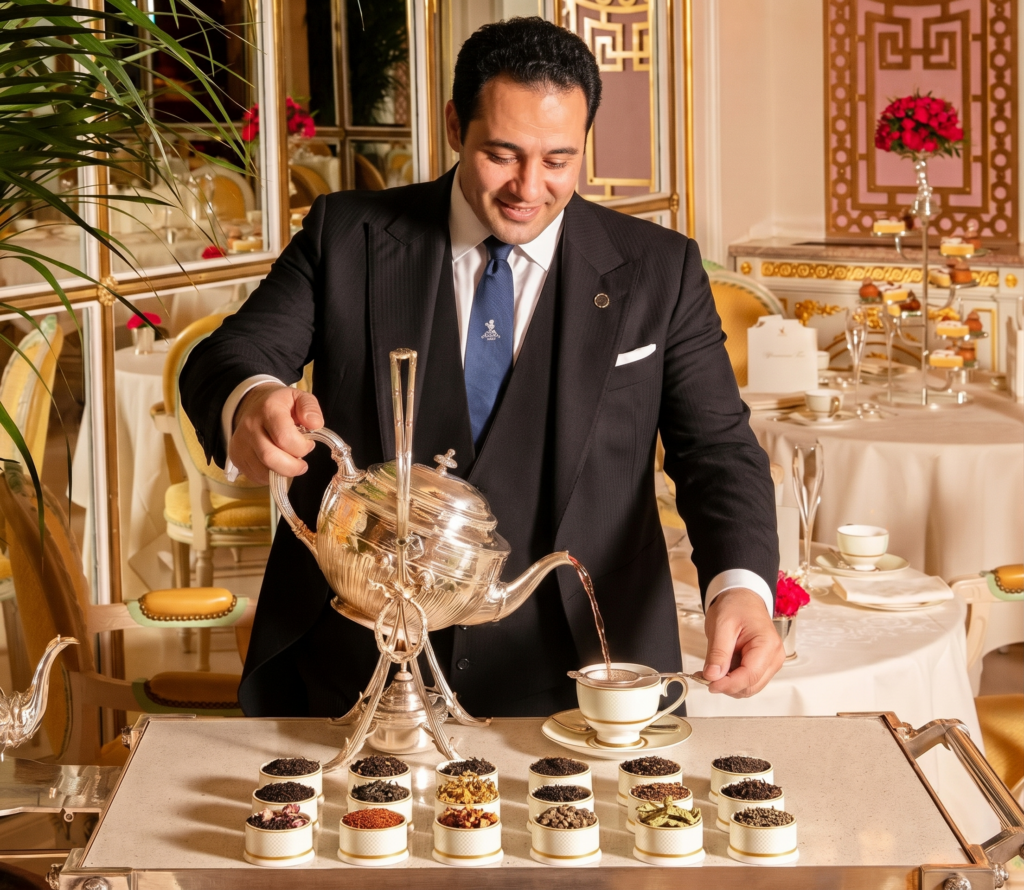
1. Tea Sommelier in hotels and fine dining
Work with luxury hotels, resorts, fine-dining restaurants and premium cafés to curate tea menus, recommend teas to guests, conduct tea service and create tea-and-food pairing experiences. Tea expertise can complement existing food and beverage roles as well as specialist positions.

2. Tea Blender and Beverage Developer
Experiment with tea bases, herbs, spices, flowers, fruits and other ingredients to develop distinctive blends. Opportunities may exist with tea brands, cafés, specialty beverage companies and independent product-development ventures.

3. Tea Taster and Quality Specialist
Develop sensory skills to evaluate aroma, liquor colour, taste, mouthfeel and consistency. With additional technical training and industry experience, you could explore tea estates, buying operations, quality-control teams, sourcing and product evaluation.

4. Tea Mixologist
Create tea-based mocktails, cocktails, iced teas, signature beverages and seasonal menus. This pathway is particularly relevant to bars, restaurants, boutique hotels, beverage festivals and experiential dining concepts.
5. Tea Educator and Trainer
Conduct tea appreciation workshops, sensory training, brewing demonstrations and professional development sessions. Potential audiences include hospitality students, hotel teams, tea enthusiasts, corporate groups and aspiring tea entrepreneurs.

6. Tea Marketing Specialist and Brand Ambassador
Combine tea knowledge with brand strategy, storytelling, product launches, customer education, trade marketing and brand partnerships. Tea companies can benefit from professionals who communicate product differences credibly and make complex tea knowledge accessible.

7. Tea Entrepreneur and Tea Room Owner
Start a specialty tea brand, tea boutique, tea room, online tea store or curated tasting business. Entrepreneurs need to understand sourcing, quality, pricing, packaging, positioning, distribution and customer acquisition in addition to tea itself.
8. Tea Tourism and Experience Curator
Design tea garden visits, estate experiences, guided tastings, tea trails and cultural programmes. This pathway connects tea knowledge with tourism, destination experiences, local heritage and hospitality.

9. Tea Content Creator and Consultant
Create educational videos, articles, tasting guides, newsletters and digital courses. Experienced professionals can also consult for tea brands, cafés, hospitality businesses and event organisers on tea menus, product storytelling and consumer experiences.

10. Corporate Tea Experience and Wellness Programme Designer
Curate tea appreciation sessions for corporate teams, premium client events, hospitality brands and private gatherings. Tea-led experiences can include mindful tasting, sensory exploration, tea pairing and creative beverage sessions, with wellness-related claims kept evidence-based.
These are possible career directions, not guaranteed jobs. The Tea and Herbal Association of Canada’s programme similarly identifies opportunities in independent tea businesses, foodservice and hospitality, as well as research and development, marketing and sales.
Where can a Tea Sommelier work?
The professional landscape extends across several industries.
Industry | Potential roles |
|---|
Hotels and restaurants | Tea Sommelier, beverage specialist, tea-menu consultant |
Tea estates and trading companies | Tea taster, sourcing assistant, quality specialist |
Tea and beverage brands | Tea blender, product-development specialist, brand ambassador |
Cafés and specialty tea rooms | Tea programme manager, tea educator, tea service specialist |
Education and training | Tea trainer, workshop facilitator, course creator |
Tourism and events | Tea experience curator, tea-tour coordinator, event host |
Media and digital platforms | Tea writer, content creator, tea educator |
Entrepreneurship | Tea brand founder, consultant, tasting-event business owner |
Tea-related professional opportunities can also emerge through freelance assignments, collaborations with cafés, hospitality training contracts, product-development projects and paid workshops. These routes can be particularly useful in a market where dedicated Tea Sommelier vacancies may be limited.
What skills does a Tea Sommelier need?
A successful professional needs more than a refined palate. The strongest career prospects are likely to come from combining technical knowledge with commercial and interpersonal skills.
Tea knowledge
Origins, varieties, processing methods, grades, terroir, storage, brewing parameters and the differences between true teas and herbal infusions.
Sensory evaluation
Aroma recognition, flavour profiling, mouthfeel, tasting vocabulary, comparative tasting and palate development.
Hospitality and culinary application
Tea service, menu design, food pairing, brewing consistency, guest communication and beverage innovation.
Communication and education
Storytelling, presenting, conducting workshops, explaining flavour profiles and adapting recommendations to different audiences.
Business and marketing
Sourcing, costing, pricing, product positioning, sales, partnerships, digital marketing and customer relationship management.
A recognised qualification can help demonstrate structured learning, but practical tasting experience, a portfolio of blends or menus, industry connections and evidence of working with real customers are also valuable.
How to become a Tea Sommelier: A practical career roadmap
You do not necessarily need to be a hotel management graduate or have prior experience in the tea industry to begin learning about tea. Witty Blends lists aspiring professionals, hospitality graduates, F&B professionals, homemakers, retirees and tea enthusiasts among the potential learners for its programme.
Here is a practical route to developing your expertise.
1 Build your foundation in tea
Learn about Indian and international tea regions, tea varieties, processing methods, brewing, storage, grades and the factors that influence flavour.
2 Develop your palate
Taste teas comparatively, document aroma and flavour profiles, explore mouthfeel, and practise identifying differences between origins, grades and brewing techniques.
3 Learn practical applications
Explore tea blending, food pairing, tea-based beverages, hospitality service and menu development. Select the specialisation that best suits your interests.
4 Create a professional portfolio
Document tasting notes, create sample blends, develop a tea menu, design a workshop or prepare a product concept. Practical work gives potential employers and clients something tangible to evaluate.
5 Build industry connections
Connect with tea estates, hospitality brands, specialty cafés, beverage companies, educators and event organisers. Seek internships, freelance projects, collaborative tastings and entry-level opportunities.
As your experience grows, you can move towards specialist roles, consulting, teaching, product development or entrepreneurship. The path need not be linear: a hospitality professional may specialise in tea service, while a marketing professional may build a career around tea brands, education and consumer experiences.
Can a Tea Sommelier build an independent business?
Absolutely. One of the most interesting aspects of tea expertise is the potential to combine professional knowledge with an independent venture.
Rather than relying entirely on salaried employment, a Tea Sommelier could develop several complementary revenue streams:
Paid tasting sessions: Host public or private guided tea tastings.
Workshops and educational programmes: Offer tea appreciation, brewing, blending and tea mixology sessions.
Hospitality consulting: Help cafés, restaurants and hotels develop tea menus and improve beverage service.
Product development: Create custom blends or collaborate with brands on new beverage concepts.
Corporate experiences: Design curated tea sessions for employee engagement, client entertainment and special events.
Content and digital education: Monetise courses, workshops, educational resources and brand collaborations.
Tea retail and e-commerce: Sell curated teas, tasting kits, brewing accessories or proprietary blends.
These business models can be combined. For example, a Tea Sommelier could conduct monthly public workshops, offer consulting to cafés, develop blends for a tea brand and create educational content online.
However, profitability depends on customer demand, pricing, operating costs, distribution, repeat purchases and the ability to establish credibility. A certificate alone does not guarantee income or employment.
What is the future of the Tea Sommelier profession in India?
India has a distinctive advantage: tea is deeply embedded in its everyday culture, while the country also produces teas with internationally recognised regional identities, including Darjeeling and Assam.
The opportunity is to help consumers and businesses explore tea beyond familiar everyday preparations.
Consider some possible areas of development:
Premium hospitality and dining: Curated tea menus, afternoon tea, tea pairings and speciality beverage programmes can create additional guest experiences.
Tea and contemporary mixology: Tea offers a range of aromas, tannins, textures and flavour profiles that beverage professionals can explore in mocktails, cocktails and contemporary drinks.
Education and consumer awareness: Workshops and structured learning can introduce consumers to specialty tea, brewing techniques, sensory appreciation and regional tea traditions.
Tea-led tourism: Experiences connecting visitors with tea gardens, production processes, local culture and guided tastings can bring together tourism and education.
Product innovation: Tea brands can explore contemporary blends, convenience formats and new beverage occasions, provided their products meet consumer expectations and commercial requirements.
Digital tea communities: Online education, content, tastings and curated experiences can help professionals reach audiences beyond their immediate geographical market.
The direction is promising, but the profession’s growth will depend on how effectively practitioners educate consumers, create differentiated experiences and demonstrate commercial value to businesses.
For aspiring professionals, this presents an opportunity to help shape an evolving category rather than simply enter an established career track.
Explore the Witty Blends Tea Sommelier Programme
Tea Sommelier Programme by Witty Blends
Witty Blends offers a 35-hour immersive programme focused on tea appreciation, tasting, blending, brewing techniques and mixology. The curriculum includes Indian and global tea origins, sensory evaluation, tea and food pairing, practical blending, tea career exploration and the fundamentals of tea entrepreneurship.
The programme is designed for beginners, tea enthusiasts, aspiring professionals and people interested in exploring tea-related career opportunities.
Ready to explore a career in tea?
You can also enrol in the Level 1 Tea Connoisseur program before going for the Sommelier program. In Level 1 program, you discover tea varieties, develop your tasting skills, experiment with blends and explore how tea can become part of your professional journey.
Final thoughts: Your passion for tea can become a profession
A career as a Tea Sommelier brings together sensory discovery, cultural appreciation, hospitality, creativity and business. It can lead towards a specialist role, an educational career, a consulting practice or an independent tea venture.
The most important first step is to move beyond simply enjoying tea and begin understanding it professionally: how it is grown and processed, how its flavours develop, how it can be prepared and paired, and how that knowledge can create value for others.
The future of tea is not just about what we drink. It is also about what we learn, experience, create and share through every cup.
If tea inspires your curiosity, perhaps it is time to explore where that curiosity could take you.